Expert Local Fence Replacement Services: Speedy & Dependable Solutions
Professional local fence replacement specialists provide a combination of speed and efficiency that has the potential to greatly benefit all types of properties. Their familiarity with area-specific regulations provides regulatory compliance, while their well-developed supplier networks help avoid unnecessary delays. When selecting local experts, homeowners not only gain access to quality materials but also help build community ties. However, determining how to identify the most suitable expert and the significance of various fencing options is often complicated. What aspects should property owners evaluate next?
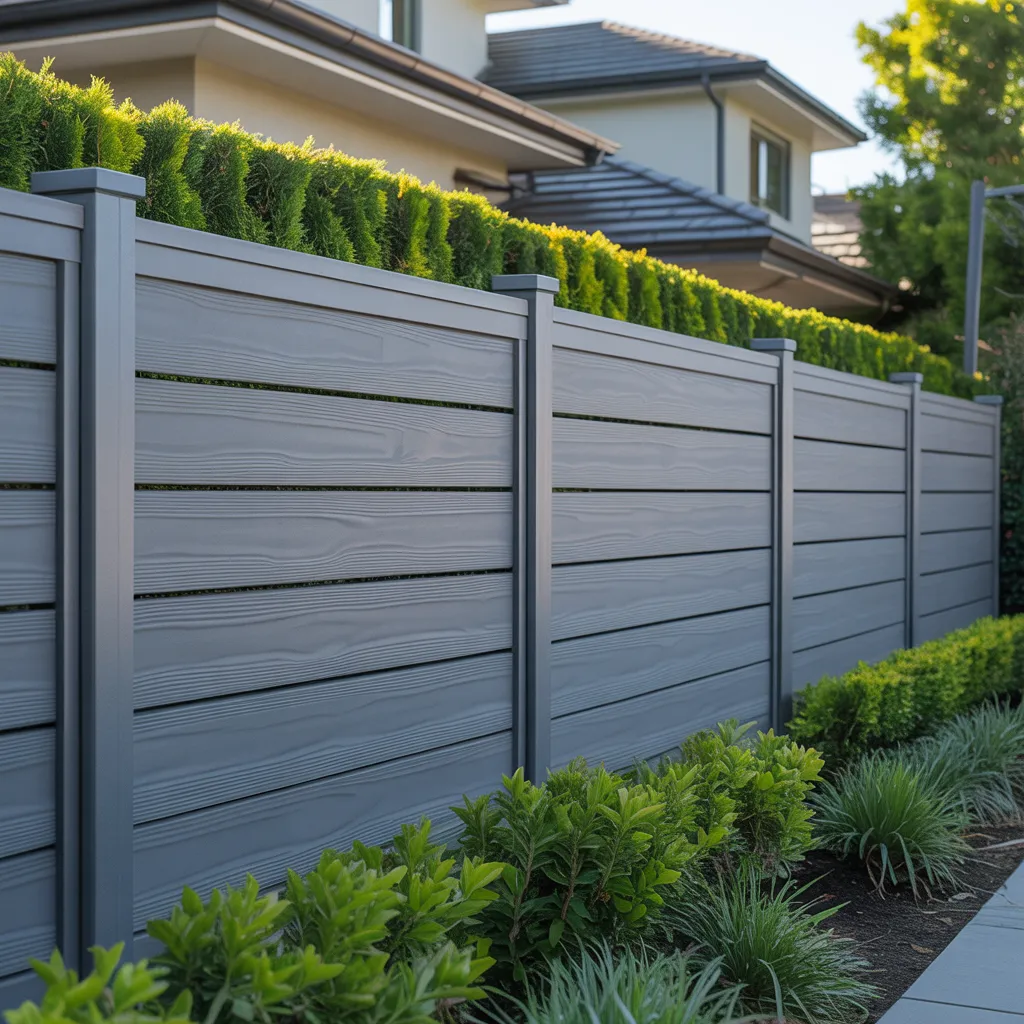
Top Reasons to Choose Local Fence Replacement Experts
When property owners look to replace their fences, engaging local specialists can deliver notable advantages. Local specialists maintain a thorough understanding of regional rules and building codes, guaranteeing adherence throughout the installation procedure. Their familiarity with local materials and climate conditions allows them to recommend the best options for durability and aesthetics. Furthermore, local professionals frequently maintain strong connections with suppliers, which can lead to cost savings and quicker access to materials.
Moreover, local professionals are generally easier to reach for follow-up services and consultations, fostering strong customer relationships built on trust and reliability. Homeowners gain from their familiarity with local architectural styles, making certain that the new fence blends seamlessly with the surrounding area. Finally, backing local businesses strengthens the community's economy, creating a sense of shared investment in the area's development. This blend of skill, accessibility, and community benefit makes choosing local fence replacement professionals a smart decision for homeowners.
How to Evaluate Fence Replacement Professionals
What steps can homeowners take to ensure they choose the best fence replacement contractor? Assessing prospective contractors requires following a few key steps. Initially, homeowners ought to request suggestions from trusted friends, family, or online platforms to evaluate a contractor's standing and trustworthiness. Additionally, confirming credentials is a vital step; contractors must hold proper licensing, carry adequate insurance, and have hands-on experience with the particular fencing style needed.
Homeowners should also request detailed written estimates from multiple contractors, guaranteeing clarity in pricing and project scope. Conducting direct conversations allows homeowners to assess attentiveness and professional standards. Furthermore, looking into prior projects or client feedback gives valuable information about the contractor's standard of workmanship.
Ultimately, knowing the maintenance and warranty choices provided can be crucial for satisfaction over time. By thoughtfully evaluating these considerations, homeowners can assuredly select a fencing replacement professional who satisfies their needs and standards.
Evaluating Common Fencing Materials: Advantages and Disadvantages
Choosing the right fencing professional causes homeowners to contemplate the numerous materials offered for their new fence. Every material comes with its own set of benefits and drawbacks.
Timber is widely favored for its organic appeal and flexibility but demands routine care to avoid decay and pest problems. Vinyl provides strength and easy care, although the initial investment can be higher and may become brittle in extreme temperatures. Chain link fencing is cost-effective and provides security but falls short in privacy and visual charm.
Aluminum is light and resistant to rust but might not offer the same level of strength as alternative materials. Composite fencing merges the appearance of wood with the resilience of plastic, though it can be costly and may lose its color over time. Understanding these pros and cons helps homeowners make informed decisions tailored to their needs, budget, and local climate, ensuring a satisfactory investment in their property.
What to Expect During the Fence Replacement Process
As part of the fence replacement process, an initial consultation lays the groundwork for the project, giving homeowners the opportunity to express their needs and preferences. After this step, a well-defined installation timeline is set, identifying critical milestones and projected completion dates. Being aware of these steps helps create realistic expectations for the complete process.
First Consultation Process
What should homeowners know when hiring fence replacement specialists? At the outset, homeowners will receive a detailed inspection of their property. Specialists will generally set up an appointment to review the ideal fence type, materials, and overall budget. In this session, specialists will examine property boundaries, existing features, and municipal guidelines that might influence the project. Property owners should be ready to communicate their goals and any particular needs. Once the meeting concludes, the specialists will present an estimate covering costs and completion timeframes. This stage also allows for questions, ensuring homeowners have clarity before proceeding. Essentially, the opening consultation lays the groundwork for a productive fence replacement, encouraging transparent communication and a cooperative relationship between the homeowner and the fencing specialists.
Overview of the Installation Timeline
Once the consultation has concluded, homeowners can anticipate a well-defined timeline for the fence replacement process. In most cases, the first phase involves acquiring the needed permits, which may require several days depending on regional requirements. Once this is completed, the fence installation crew will schedule a date for the removal of the old fence, usually completed within a day.
After that, the installation of the fence begins, which can take one to three days, depending on the size and complexity of the project. Weather factors and material supply may also influence the schedule. Lastly, a post-installation review ensures that the new fence satisfies quality requirements, concluding the process. Residents can rely on open communication throughout to keep them informed at each stage.
Advice for Caring for Your New Fence
Upkeeping a new fence is crucial for its durability and appearance. Periodic inspections and quick repairs can keep minor concerns from turning into costly repairs. In addition, suitable cleaning approaches and seasonal care recommendations will assist homeowners in safeguarding their investment.
Routine Inspections And Repairs
Routine inspections and timely repairs are essential for preserving the longevity and appearance of a new fence. Homeowners should regularly check for signs of wear, such as loose boards, rust on metal components, or deterioration in wood. Addressing minor issues promptly can prevent more significant damage and costly repairs later. It is recommended to examine the fence following harsh weather conditions, as strong winds and heavy rainfall can compromise its stability. Moreover, assessing the posts and gates for steadiness confirms that they continue to function properly and remain secure. Keeping an eye on the surrounding landscape, such as overhanging branches or invasive plants, can also protect the fence from potential harm. Regular maintenance ultimately contributes to the fence's enduring beauty and reliability.
Effective Cleaning Strategies
Cleaning a fence regularly promotes its long-lasting condition and improves its overall look. To care for a new fence, start by eliminating unwanted material such as leaves, twigs, and dirt using a leaf blower or broom. For wooden fences, a blend of mild soap and water is ideal for removing stubborn grime. A gentle brush can clean away persistent stains without scratching the timber. For metal or vinyl fences, a high-powered washer can efficiently wash away built-up dirt, though attention is needed to prevent high pressure that may cause damage. After cleaning, examining for signs of wear or damage is highly recommended. Consistent upkeep not only protects visual beauty but also extends the lifespan of the fence, guaranteeing it remains a worthwhile investment to your property.
Seasonal Care and Maintenance Guidelines
Consistent cleaning creates the groundwork for successful seasonal care of a new fence. Homeowners should inspect their fences regularly for signs of wear, including loose boards or corroded hardware. During spring, it's advantageous to clear away debris and examine for moisture damage resulting from winter weather. Warm weather upkeep can include applying a protective coating to wooden fences, guarding against rot and UV damage. As the autumn season begins, clearing leaves and branches is critical to avoiding moisture buildup. Prior to winter, a comprehensive inspection ensures that all required repairs are completed, protecting against harsh cold weather. By following these seasonal guidelines, homeowners can prolong the life of their fences, preserving both appearance and performance across all seasons.
Common Fencing Maintenance Blunders to Watch Out For
Neglecting proper fence maintenance can cause significant repair costs and shorten the fence's lifespan. A frequent error many homeowners commit is not performing regular inspections of the fence for damage or deterioration. Overlooking these minor concerns allows problems like rot or rust to develop into major issues. Moreover, unsuitable cleaning approaches, including the use of strong chemicals or high-pressure washing, can deteriorate the fence material. A common oversight is failing to manage vegetation growth; overgrown plants can hold moisture against the fence, resulting in deterioration. Homeowners frequently underestimate the significance of properly sealing and treating wooden fences, a step that safeguards the wood from harsh weather conditions. Additionally, disregarding local ordinances related to fence upkeep can lead to penalties or mandatory repairs. By recognizing these frequent errors, homeowners can implement preventive measures to prolong the life of their fences and preserve their property's visual appeal.
How Local Experts Ensure Quality and Durability
A great number of homeowners turn to local professionals to guarantee long-lasting results in their fence replacements and installations. Local experts possess a deep understanding of regional materials and weather conditions, ensuring that the right choices are made for long-term durability. Their knowledge of area-specific codes and regulations further enhances compliance, preventing possible legal complications.
Moreover, seasoned contractors frequently leverage high-quality components procured from trusted providers, which significantly influences the lifespan of the fencing. Their skill allows for meticulous installation work, reducing the chance of costly repairs down the line. Local specialists further deliver practical insights on upkeep strategies tailored to unique conditions, increasing the lifespan of the fence.
In addition, many offer warranties on their workmanship, providing homeowners with peace of mind. By selecting local professionals, homeowners take advantage of a combination of quality craftsmanship, personalized solutions, and solid community relationships, each of which enhances the overall success of their fence installation projects.
Questions We Are Often Asked
How Long Does a Typical Fence Replacement Project Take?
A typical fence replacement project usually takes one to three days to complete, depending on factors such as the scope of the area, type of materials used, and weather conditions that impact the installation.
What Permits Do I Need for Fence Replacement in My Area?
Fence replacement permit requirements differ depending on location. Generally, homeowners ought to verify with their local zoning offices or municipalities to understand the applicable regulations, covering height restrictions and property line guidelines, ensuring review now compliance before beginning the project.
Can I Customize My Fence Design and Materials?
Indeed, fence options and materials can commonly be personalized to match specific preferences. Homeowners may choose various styles, colors, and materials, enabling distinctive visual appeal that enhances their property while complying with local guidelines.
Are Warranties Provided by Local Experts on Their Work?
Regional professionals typically offer guarantees on their services, so that customers benefit from superior service and quality materials. Such guarantees often range in timeframe and protection, providing peace of mind to homeowners who are investing in fence replacements.
In What Ways Do Weather Conditions Impact the Fence Replacement Schedule?
Weather conditions considerably impact fence installation schedules. Precipitation, freezing conditions, or intense heat may postpone installation work, compromising soil integrity and the safe handling of materials. Professional installers frequently need to modify their schedules to ensure both quality and safety amid changing weather conditions.